Categories
Uncategorized

Two years later: Plastic Diet

Hello, friends! It has been a few years since I last posted on this blog. To recap, at the beginning of 2020, I made a set of personal sustainability goals based on a book called A Year of Nothing New by my friend, Kristin Skarie, and I wrote about my weekly progress. There have been quite a few updates in my life in the past two years since then, so I wanted to share what has changed during my ongoing sustainability journey.

To quickly list my previous goals from my four months and then five weeks of Naught New, I aimed to buy nothing new except food and gas, grow vegetables, find a local farmers market, be a pescatarian/part-time vegetarian, eat at local restaurants and avoid chains or fast food, turn my computer off earlier than bedtime, only buy products with recyclable packaging, avoid disposable plastic, make my own soap, detox deodorant and laundry detergent, make or get second-hand things as gifts, donate clothes I don’t need, compost, turn off the water in the shower whenever I’m not rinsing, track my car versus public transportation usage, calculate my carbon footprint, and eventually upgrade from a gas vehicle to an electric vehicle.

Since then, I’ve accomplished some of the goals that I wasn’t able to before. In the past few years, I transitioned between multiple jobs, moved to an apartment closer to Orlando, upgraded my technology, and changed my diet. The major changes that I’ve been able to make include composting my food scraps with O-Town Compost, becoming a vegetarian and vegan when possible, shopping at farmers markets for most of my food, reducing my plastic packaging and consumption of processed food, and ordering a new mattress (which was the most recent occurrence). Most of what I’ve changed has to do with food, and little bit has to do with sleep.

Food

During my four months and five weeks of Naught New in 2020, I found it difficult to compost on my own. I started working for O-Town Compost and found that bringing my food scraps to work to be composted on a community scale was much easier and more convenient. I transitioned from working for O-Town Compost to working for the CLEO Institute about two and a half months ago, so I also transitioned from being a driver to being a subscriber with O-Town Compost. Composting food scraps is a climate solution because organic waste that gets sent to the landfill doesn’t break down in the anaerobic conditions and instead releases methane, a very potent greenhouse gas. I highly recommend composting personally or finding a community composter like O-Town Compost to take your food scraps. If you are in the Central Florida area and are thinking of subscribing to O-Town Compost, use this referral code to get $10 off and so will I: https://tinyurl.com/2c8onj26.

Being closer to Orlando and visiting farmers markets each week has also allowed me to start eating much more locally and reduce my plastic packaging. I subscribed to Fleet Farming’s CSA, or Community Supported Agriculture program, which means I receive a share of produce from local gardens every week. I bring my own tote bag and reuse food containers, so I’m not disposing of any packaging. I’m eating healthy, organic, vegan, and hyper-local food that reduces fossil fuel use by avoiding transport and packaging. I’m supporting local, small farming programs and businesses. I’ve done my best to be a vegan, although I tend to still eat cheese and some dairy when I’m not cooking for myself, given that those things are hard to avoid when going out to eat or receiving free food. I also supplement what I get from the farmers market with a few meals from the grocery store each week. I can continue to avoid plastic by buying canned beans and boxed pasta, but it is unavoidable with certain frozen vegetables and other meals.

My rainbow of produce from the farmers market.

There are always trade-offs in sustainable eating, and I fully acknowledge that financial privilege and proximity to farmers markets provide me with options. For example, you could be a vegan and buy non-local, processed, pre-made, meat- and cheese-alternative-based meals from Trader Joe’s that all come in plastic packaging, like someone I know. Or, in my case, you could buy local produce from a farmers market that doesn’t come in plastic and is vegan, but still need to supplement with a few items that come in disposable containers from the grocery store. For me, reducing disposable plastic is a bigger deal than being a strict vegan. I initially attempted to minimize my plastic packaging by getting my bread and bagels from the farmers market in addition to my produce, but I couldn’t get them to last more than a few days before becoming rock hard or moldy. Going on a plastic diet at the grocery store without the help of a farmers market is nearly impossible, but I suggest subscribing to a Community Supported Agriculture (CSA) program if you have any in your area and you have the means.

On a side note, I’ve slimmed down five or ten pounds in the past couple of years, so I wonder if it has to do with my transition away from eating meat, given that I’ve always been active with exercise. That’s just another perk of being vegetarian in addition to not having to make so many choices about what to eat.

Sleep

I recently upgraded my phone and laptop from my first smart phone that was five years old and my first laptop that was thirteen years old. For the sake of sustainability (and not wasting money), I used my tech until it stopped working. I did the same with my mattress. My current mattress has got to be at least ten years old, and the dip in the middle is now impacting my ability to fall asleep. I did some research online for sustainable mattresses and found that it is important to get one made out of organic and natural materials rather than foam polyurethane or memory foam, both of which are petroleum-based and not great for health as far as the chemical components that they contain and release. I settled on the brand Saatva and placed an order after calling to confirm that it would be shipped from a factory in Florida and not have to travel from California, for example. I don’t trust them to recycle my old mattress, so I looked into options for that online and found a local organization called The Mustard Seed of Central Florida that does it. I still have to call and confirm that they will take it, which I will do after my new one is delivered. You can look up mattress recycling options in your area on this website.

With that, as my tradition goes, I will leave you with a song (that happens to be a parody that I wrote about composting). The world is both literally and figuratively on fire, and systemic change is vital in fighting the climate crisis, but choosing to live more sustainably on a personal level also helps by signaling to everyone around you that sustainability matters and Earth’s resources are finite. Eat well, sleep well, and may thee use naught new.
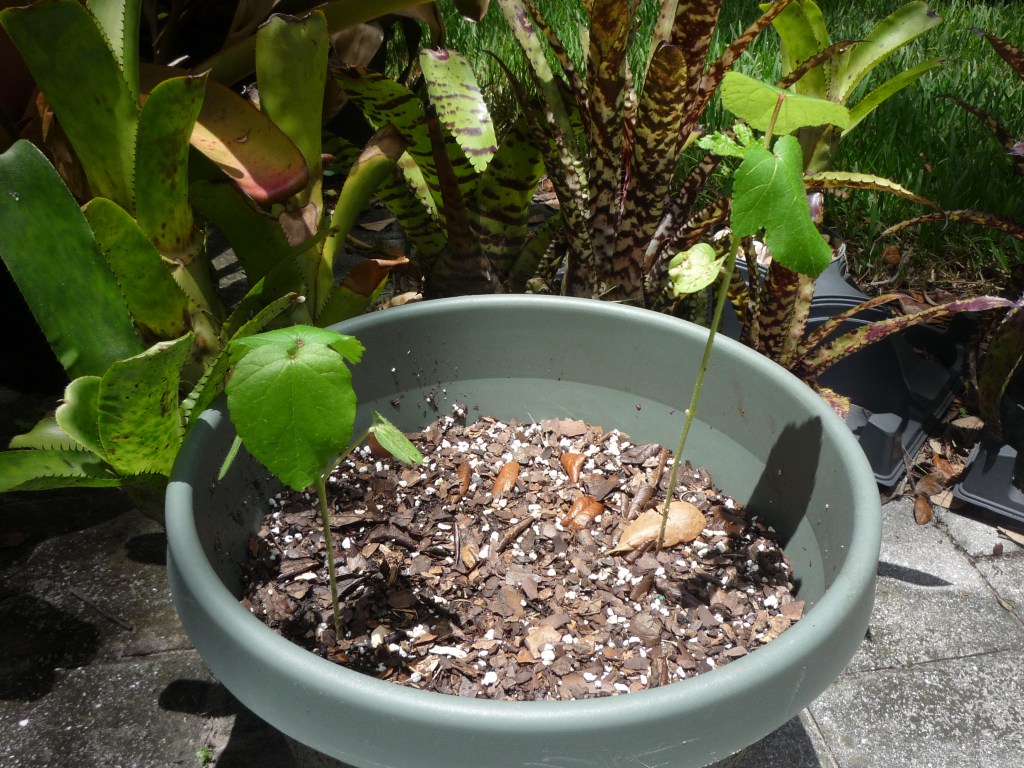
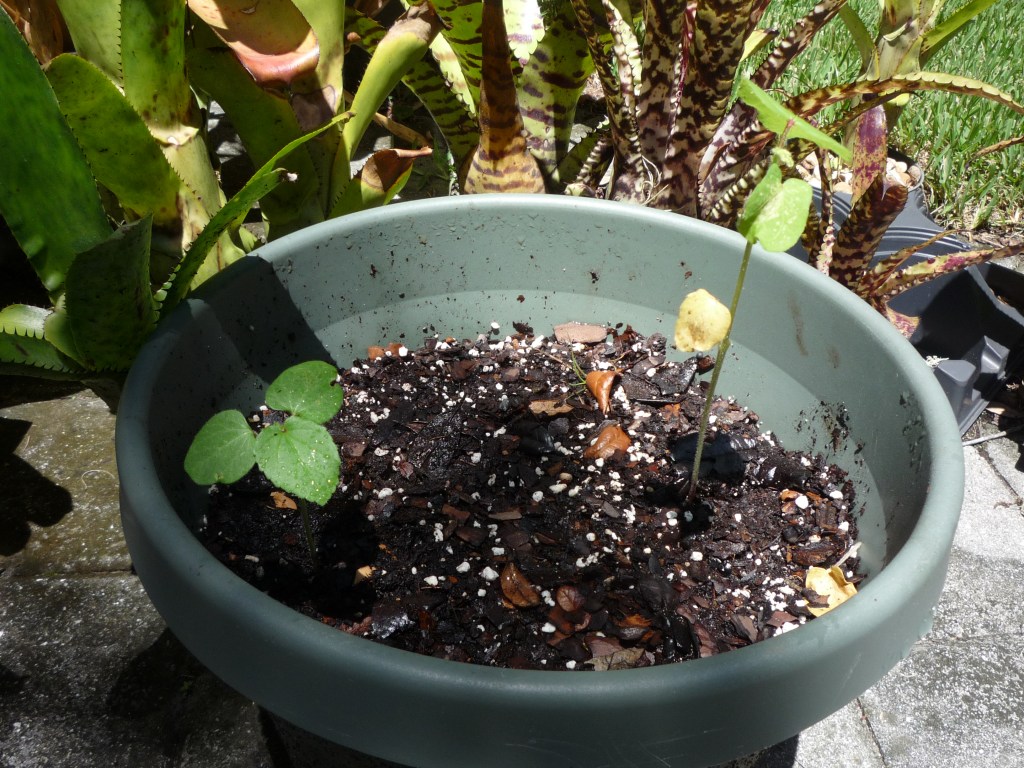
Food has a funky way of filling up landfills.
Categories
Uncategorized

Week 5: Change is good

I have now completed five weeks of nothing new, inspired by a book called A Year of Nothing New by my friend, Kristin Skarie. Many of the goals that I pursued these past five weeks were continuations of the goals that I pursued over the first four months of 2020, which include the following:

  • Bought naught new except for food and gas (and one or two essentials like toiletries)
  • Did not eat at chains or fast food restaurants
  • Turned off the computer by 10pm to develop better sleep habits
  • Avoided disposable plastic in general and bought food in recyclable containers when possible
  • Continued monitoring my compost bin, a long-term project
  • Tracked transportation, including taking the train

The two new goals that I added were growing okra and becoming a pescatarian, both of which I have had success with so far and hope to continue. My additional goals, which make up the bulk of my long-term to-do list, still include climate action, exploring new jobs, and working on my college thesis for publishing.

It will still be a few more weeks before they produce okra.

The conscious choices that I have made to stay accountable to my goals were all in the effort to live more sustainably. However, upon reflection of how I have spent most of my time, I could argue that the unconscious choices that I made as a result of living out my values are perhaps the most sustainable choices that I ended up making.

I came out of quarantine and returned to work about eight weeks ago, starting my position as a STEM summer camp instructor. I have taught children from first to sixth grade (next week I’ll be teaching seventh to ninth grade for the first time) not only about science, technology, engineering, and math, but how to collaborate, how to take responsibility for their actions, how to be kind and respectful, and above all, how to be critical thinkers. I think back to my days in middle school and realize how many of the things that I learned back then have become driving forces in my life. In this way, there is no way to know my long-term impact on my campers’ lives, but I do know from my own experience that what children learn, or in my current case, what I teach them, can influence what paths they take and change how they view the world in a very sustainable way.

With that being said, here are some more quotes from the children with whom I have interacted during the past two weeks, arranged in order of increasing age.

“The megalodon and the dino circus hit the ship when I was trying to clean the bathroom.” -kindergartner

“You look pretty hard because of the bones in you. I only have blood.” -kindergartner while poking my arm

“Your soul is technically a ghost.” -first grader

“Excuse me, I know a shortcut to Mars. You take a sharp left turn on the moon.” -first grader

“I think we’re as high as Mount Everest!” -first grader looking out the window of the second floor of a building in Florida

“Let’s play Cops and Onions. Do you have to eat a bunch of onions that are spicy?” -second grader

“It smells like beef sticks in here.” -second grader

“Sometimes news people can be crazy just to find the scoop.” -third grader

“This water tastes like dust bunnies.” -third grader

“They aren’t gonna hurt you. There’s only about three or ten species that can.” -third grader talking about spiders

“Just tie it like you’re tying your shoes.” “You know I don’t have any shoes with laces.” -third graders

“Hand sanitizer smells like pickles dipped in spoiled milk covered in pepper dunked in chopped liver and lamb legs.” -third graders

“Kindergarten teachers are the smartest teachers in the world.” -third grader

“Instead of dead, let’s say pass away.” “Or eliminated.” -third graders

“Safe is very fun, because if you weren’t safe, you’d probably be dead right now.” -Same third grader who suggested we say pass away instead of dead

“Cats don’t need legs. They’re just sleeping all the time.” -third grader

“Pick up already started, right?” -fourth grader an hour after pick up started

“Remember, the fun never ends.” -fourth grader

Inspire sustainable changes and may thee use naught new.

“Change is coming, whether you like it or not.” -Greta Thunberg
Categories
Uncategorized

Week 4: Less is more

I was a runner for the first time this summer this past week, which means that I got to hang out with multiple classes, from preschool to sixth grade. However, I’ll save the funny quotes from this week for my next blog post, since I have a sustainability story to share after my updates.

  • Goal 1: Naught new except food and gas
    • Yes
  • Goal 2: Grow okra
    • My second seed sprouted and I noticed the first sprout’s leaves were yellowing, and I’m guessing that is because the soil is depleted of nutrients. I gave them some of the more processed compost chunks from my bucket and also some plant food.  
  • Goal 3: Eat a pescatarian diet
    • Seafood 2/7 days, vegetarian 5/7 days
  • Goal 4: No chains/fast food restaurants
    • Yes
  • Goal 5: Computer off by 10pm
    • I’m not really keeping track, but I usually try to get off by 10pm.
  • Goal 6: Avoid disposable plastic
    • Yes, still recycling most of what my food comes in and collecting organic matter to put either in my compost bin or just in the bushes. It has been almost two weeks and I have not taken out the trash because my tall kitchen trash bag hasn’t filled up yet.
  • Goal 7: Continue to attempt to compost
    • I added a compostable cornstarch envelope that carried a t-shirt I ordered prior to my five weeks of naught new.
  • Goal 8: Track taking the train
    • Because of my schedule this week, I drove three times and took the train twice.
  • Additional goals: work on my college thesis for publishing, look into new jobs, climate action
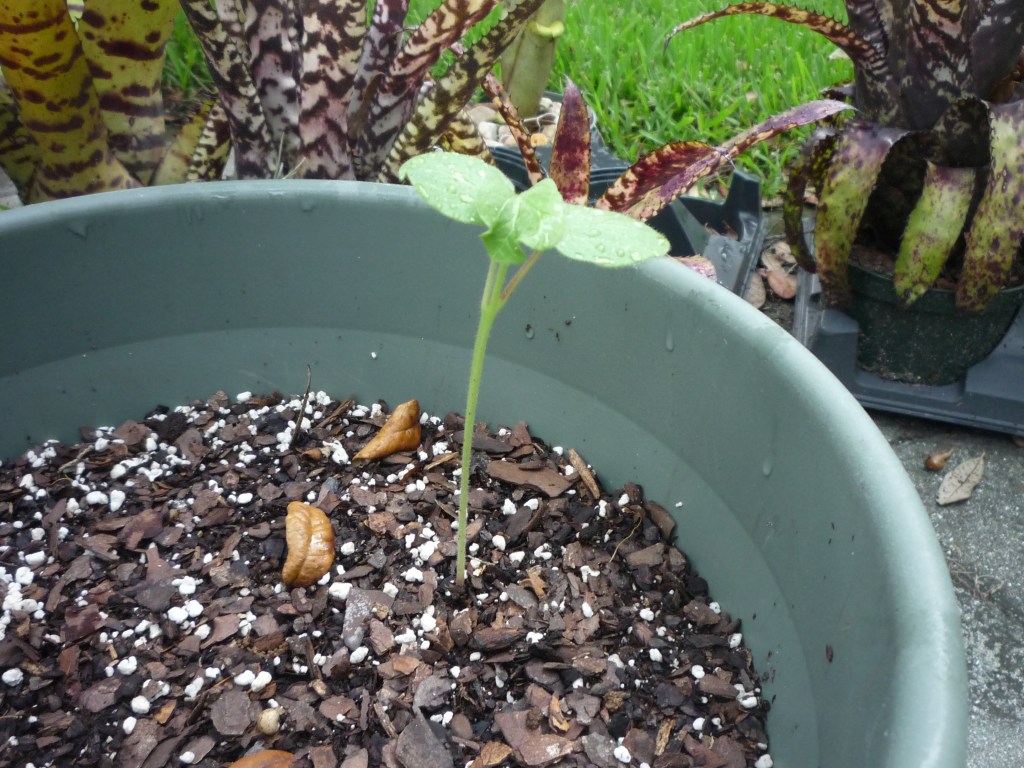
Okra babies after getting some compost and plant food.
My compost bin after adding the cornstarch packaging and some more banana peels.

My experience so far of transitioning to a pescatarian diet has been relatively easy. I haven’t really wanted to eat chicken, and I’m fine with getting my protein from other sources, like broccoli and chickpeas. A recipe that I made this past week was chana masala, which I have often made since studying abroad in India and Nepal in college. On my study abroad, I lived with a Hindu host family in rural Sikkim, and all of my meals in the village were vegetarian, consisting mostly of rice and lentils, or dal bhat. It was interesting, though, that my host family was not vegan, as they had a few cows, which gave them milk and butter.

An unexpected side effect of committing to a pescatarian diet, which was something I just felt like doing one day, is my desire to start transitioning to vegan equivalents. In India, I didn’t mind drinking milk from the family cow. In the United States, however, factory farming dominates, and chances are that the meat and dairy sold in the average grocery store come from animals that are not raised in the best or most sustainable way. For these reasons and to reduce my plastic packaging, I have become accustomed to drinking orange juice for breakfast (in a cardboard container) and tap water the rest of the time. No soda, no milk, no coffee, no bottle beverages. I don’t go anywhere without my Nalgene water bottle, which has served me well the past six years. I have also simplified my meals, eating mostly whole wheat and whole grain, vegetables, fruit, nuts, and some seafood.

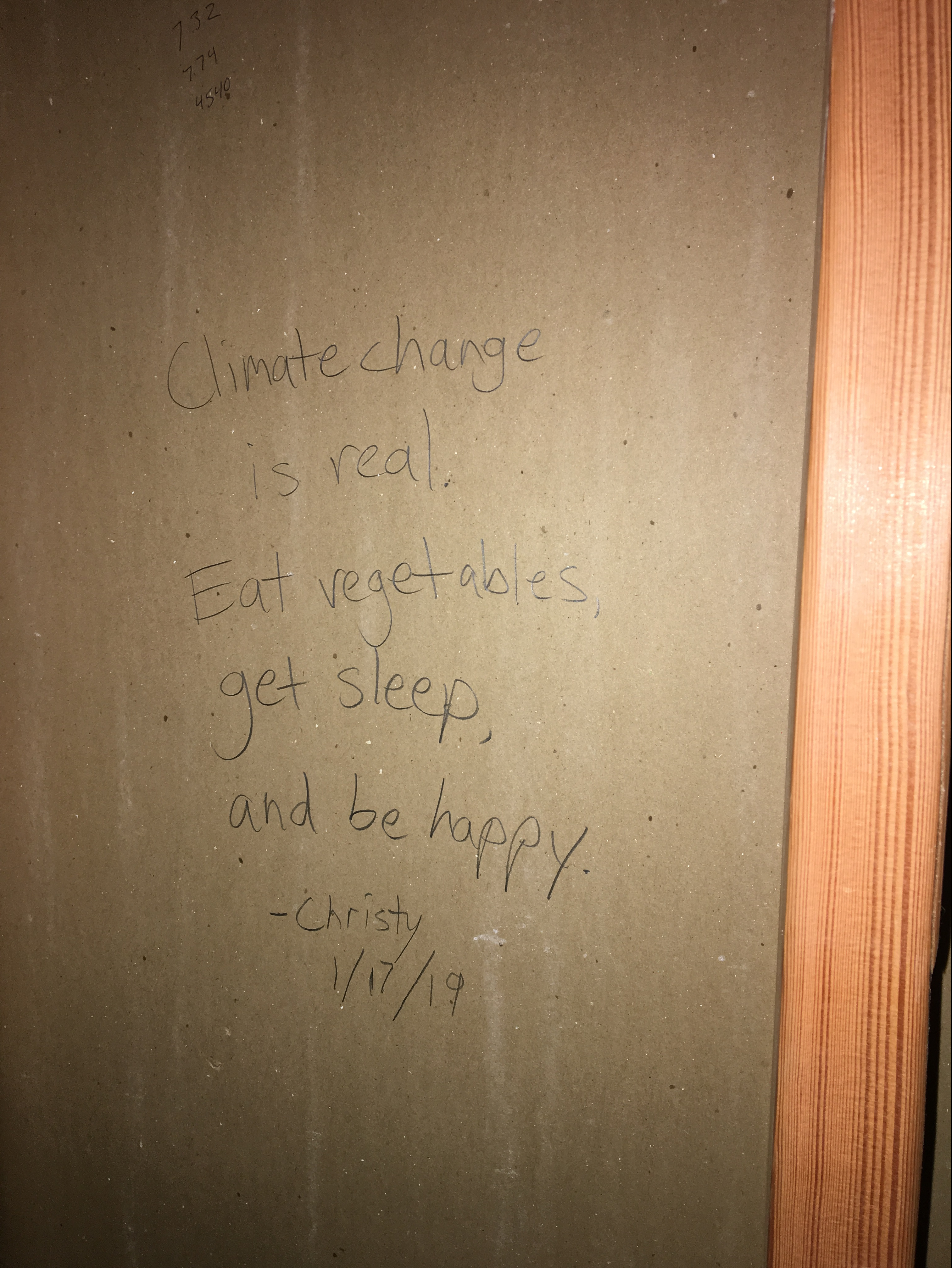
I lived in seven different states during my service term as a Field Team Leader in AmeriCorps NCCC, and during that time, we often worked on very physically and emotionally demanding service projects. One of my personal mottoes to keep me going was, “Eat vegetables, get sleep, and be happy.”

What I wrote on the wall before hanging drywall for a science-history museum in New Jersey.

Living in crazy times can often feel overwhelming, but it helps to recall that we are all humans, and taking care of our basic needs should come first. Once we do that, in a way that aligns with our values, we can consider how we are going to save the world. Simplify and may thee use naught new.

Hold on to the things that make you happy.

Categories
Uncategorized

Week 3: Find the funny

I was a counselor for rising fifth and sixth graders this past week. They are not as funny as first and second graders, but sometimes they are amusing. First, goal updates.

  • Goal 1: Naught new except food and gas
    • Yes
  • Goal 2: Grow okra
    • My first sprout is getting bigger and I planted another seed as well.
  • Goal 3: Eat a pescatarian diet
    • Seafood 4/7 days, vegetarian 3/7 days. I’m also slowly incorporating vegan versions of what I eat, so I’m avoiding milk, eggs, honey, etc.
  • Goal 4: No chains/fast food restaurants
    • Yes
  • Goal 5: Computer off by 10pm
    • I definitely did better this past week because I was so tired from losing sleep.
  • Goal 6: Avoid disposable plastic
    • Yes, recycling and working on reducing plastic packaging from food by buying in bulk.
  • Goal 7: Continue to attempt to compost
    • I’ll give it some more time.
  • Goal 8: Track taking the train
    • I took the train all five days this week.
  • Additional goals: work on my college thesis for publishing, look into new jobs, climate action
My two okra babies

Since I again do not have much to report on the sustainability front, I will share some quotes I wrote down from my older kids.

“We’re watching Tangled? But there are boys here!” -fifth grade boy

“When I’m at school, I want to go home, but now with too much home, I want to go to school.”

“I don’t like the coronavirus. It’s going to ruin my birthday.” -child complaining to me on my birthday

“I’m gonna need a therapist after this.” -fifth grade boy to whom all of the adults can relate

“Hey, that’s my thing. I climb under tables.” -fifth grade boy commenting about something neither of them should be doing

“Nobody touch the girl rock.” -one of three girls lying on a large rock in a boulder garden outside during recess

“I know I’m a crazy kid.” -crazy kid

“You should pray for me. I have to put together all of the heads.” -child while putting the heads on robot toys, which was apparently difficult

First child: “How did you know I needed more paint?” Second child: “She’s a psychic.” Me: “I’m a teacher.” First child: “Teachers always know.”

Don’t forget to laugh and may thee use naught new.

Life isn’t easy these days, but there is always a reason to laugh.

Categories
Uncategorized

Week 2: Younger and wiser

I was with rising first and second graders this past week at camp, and some of them surprised me with how mature and smart they were. Before I share more on that, here are my goal updates. My most difficult goals this week were Goals 4 and 5 again.

  • Goal 1: Naught new except food and gas
    • Yes
  • Goal 2: Grow okra
    • My sprout is growing, but I haven’t planted a second one yet.
  • Goal 3: Eat a pescatarian diet
    • I forgot to keep track for a few days, but I believe I ate seafood 6/7 days and vegetarian 1/7 days. For all except one day, I ate vegetarian for both breakfast and lunch.
  • Goal 4: No chains/fast food restaurants
    • Yes, although I was tempted.
  • Goal 5: Computer off by 10pm
    • No, I still need to work on it.
  • Goal 6: Avoid disposable plastic
    • Yes, and I’m recycling as much as possible, but my food still sometimes comes in non-recyclable packaging.
  • Goal 7: Continue to attempt to compost
    • I checked the bin and it is looking good, but it still needs some more time.
  • Goal 8: Track taking the train
    • I took the train four of five days this week, and I drove one day because the train was late.
  • Additional goals: work on my college thesis for publishing, look into new jobs, climate action
Two week old okra

My focus recently has been on having a positive attitude and making an effort to do things that make me happy given the seemingly constant state of uncertainty that we are all experiencing in one way or another. Something that cheered me up this past week was talking to my campers at the science center about math and science (and other silly things that their imaginations offered). Before I share some of the best quotes I wrote down from this past week, I want to share a quick story.

I have been either an instructor or counselor for five-day STEM themed summer camps each week since June 1st, and my first week was teaching chemistry and reactions to rising first and second graders. Of my eight children, only one or two children were engaged and curious about the science of the activities. I helped teach engineering to rising first and second graders this past week, which was week five, and I found that this group of ten campers included two or three precocious kids who liked to ask questions. After asking the class what toppings they liked on pizza, I mentioned that I like vegetables but not pepperoni because I don’t eat the things it is made of. The most mature and arguably the smartest camper in my class asked me why and wouldn’t take “It’s a long story” for an answer. When teaching kids of such a young age, I have to be intentional about explaining things in terms I think they will understand. I gave it a shot and said something along the lines of “pepperoni is made out of pork and beef, which are pigs and cows, and I don’t eat either of those animals because animal agriculture is not good for our environment. Those animals require a lot of water in order to be raised, and we have a shortage of clean water, so basically they aren’t good for the planet.” Her response was “that wasn’t a very long story,” and it helped me realize that, although six-year-olds might have a difficult time grasping the interconnections between factory farming and the climate crisis, they can understand that as people, they will have to make choices, and they are curious about what informs those choices. Smart kids are one of the main reasons I enjoy teaching. The following quotes were from my rising first and second graders this past week.

“If you sneeze into the air a third time, it’s game over, end of the round.” -camper while we were not playing a game but another camper was sneezing

“I love rotten salmon.” -camper during lunch

“I love Ruth Bader Ginsberg. She’s my favorite.”

“When I was a baby, my dad had ruby red hair. I bited it because it was also white and looked like a candy cane.”

“To make bread, you need to start with the wheat plant.”

“Did you know that in college, you can do whatever you want.”

“Why does this smell like four dogs?” -camper smelling her snack

“My shoes are made out of yarn, so they stick.” -camper talking about shoes that were not made out of yarn

“Did you know trash actually has lots of nutrients?”

“I’m actually allergic to my mom.”

“Raise your hand if you like to eat the chair.”

“Raise your hand if you want to name your new baby Peter because your stomach is named Peter.”

Camper: “How long until lunch?” Me: “Half an hour.” Camper: “How many seconds?” Me: “Half an hour is 30 minutes times 60 seconds per minute, so 1,800 seconds.” Camper: “Do you even know what a second is?”

My campers also had a lovely debate during lunch one day about whether infinity is a number or an idea. I sided with the ideas group and offered my reasoning. Retain the beneficial characteristics of youth and may thee use naught new.

This is the message that I was given today, so I’ll try to keep it in mind.
Categories
Uncategorized

Week 1: Doing my best

This past week was a pretty crazy week at work for me. I did better with some of my goals than I did with others, but I have four more weeks to work on them.

  • Goal 1: Naught new except food and gas
    • Yes
  • Goal 2: Grow okra
    • One of the two seeds sprouted, so I may plant another one
  • Goal 3: Eat a pescatarian diet
    • Seafood 3/7 days, vegetarian 4/7 days
  • Goal 4: No chains/fast food restaurants
    • No, I bought cookies from Subway at work, but I resisted Wawa when I got gas!
  • Goal 5: Computer off by 10pm
    • No, I was often on my computer until 10:30 or 11pm, but I’ll work on it
  • Goal 6: Avoid disposable plastic
    • Yes, except for what my food comes in
  • Goal 7: Continue to attempt to compost
    • Still working on it
  • Goal 8: Track taking the train
    • I’ve taken the train to work for the past four weeks, and I didn’t have to get gas this month until yesterday.
  • Additional goals: work on my college thesis for publishing, look into new jobs, climate action
Baby okra

It turns out I don’t miss chicken as much as I thought I would, so contrary to my expectations, Goal 3 has not been my most difficult. I think my most difficult goals so far have been Goals 4 and 5 because Subway cookies are really good and I didn’t have to wake up as early last week as I will have to during this next week. However, it has been nice to have a consistent schedule that allows me to take the train everyday, which is not something I could say before the summer.

I don’t really have any sustainability stories, so I figured I would share a few quotes by children I’ve instructed at camp over the past few weeks that made me laugh.

“Look, my dad left me a note!” “What does it say?” “I don’t know, I can’t read.” -first grader

“I love dumb things.” “I love stupid people.” -third grade boys

“How do you know we’re going to learn physics? We’re like, eight or nine.” -third grade boy five minutes after I told him to use physics instead of tape to build a tower out of index cards

“Shortage of fresh water will lead to the extinction of humans…(five minutes later) what if we built our tower out of poop?” -another third grader during the same tower activity as the last quote

“It’s not fair. Adults have more energy than kids.” -fourth grader who lost in a jumping jack competition between my campers and me

“The only place you can make jelly out of a house is Antarctica.” -exact quote by a third grader

“I have a question. I think I know how we got dragons. Someone found dinosaur bones and thought they were dragons.” -third grader not actually asking a question

“Are you cheating on Justin Bieber?” -fifth grader asked me with no context whatsoever

Do your best in these trying times and may thee use naught new.

I try to remember that things could always be worse.
Categories
Uncategorized

But wait, there’s more

I told you it wasn’t the end in my last blog post. Here is my new set of goals for Five Weeks of Naught New from June 21st to July 25th based on goals that I want to continue and a few more that I plan to implement. Unlike before, I will not be contributing to a naught new fund, but I will still keep track.

New Naught New Goals:

  • Goal 1: Naught new except food and gas
  • Goal 2: Grow okra
  • Goal 3: Eat a pescatarian diet
  • Goal 4: No chains/fast food restaurants
  • Goal 5: Computer off by 10pm
  • Goal 6: Avoid disposable plastic
  • Goal 7: Continue to attempt to compost
  • Goal 8: Track taking the train
  • Additional goals: work on my college thesis for publishing, look into new jobs, continue climate action including digital climate strikes and pushing for climate emergency declarations and divestment

Goals 1, 4, 5, and 6 will be yes or no updates weekly, whereas goals 2, 3, 7, and 8 will have slightly more descriptive weekly updates. Here is a little background on some of my goals. My beany babies were done, so I planted okra today in their place. Hopefully they will survive and fruit over the next few months. I need to get back into good technology and therefore sleep habits, hence computer off by 10pm. My compost bin is full, so I’m waiting to see if it is able to produce compost. I left quarantine and returned to work on June 1st, and I have taken the train rather than driving to work every day during the past three weeks. I’m currently part of a campaign to get Orlando to declare a climate emergency and then take real climate action, including rapidly transitioning away from fossil fuels.

Besides turning my computer off in time and watering my okra each day, the goal that I will have to be the most intentional about is Goal 3, eating a pescatarian diet. I stopped eating cows in eighth or ninth grade. I stopped eating pigs and red meat in college. I stopped drinking milk and eating eggs a few months ago, and I’m recently eating less cheese. Now I am attempting to give up white meat, which means no more poultry. I have always loved chicken, so it may be difficult, but I will do my best for the next five weeks. I will continue to eat seafood like fish and shrimp, which means I don’t have to give up sushi, which is nice. My diet currently consists of mostly fruits, vegetables, and whole grains, so much of my diet is already vegan. I’m hoping that giving up chicken will improve the environmental sustainability of my diet as well as help to remove me from supporting animal abuse and factory farming. Consider making a personal sacrifice for the planet and may thee use naught new.

I find that doing nothing gets tiring after a while.
Categories
Uncategorized

Week 17ish: This is not the end

Four months ago, I decided to create a set of goals based on my friend Kristin Skarie’s book, A Year of Nothing New, in order to live more sustainably. Although this is my final blog post, it is not the end of my nothing new journey. Here is a list of some of my accomplishments and habits that I started, followed by a list of my goals for beyond the finity of four months.

  • Stopped buying non-essential new things
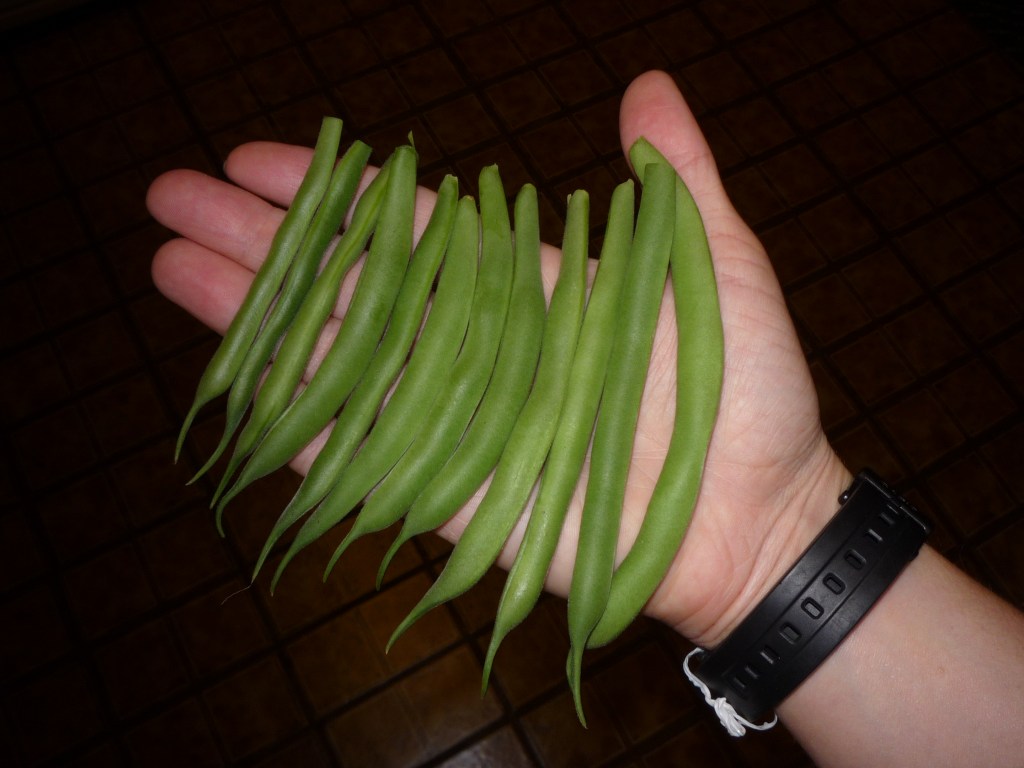
  • Grew three bean plants in a pot that gave me a total of 40 or 50 beans to eat
  • Stopped eating at chains and fast food restaurants and ate at local restaurants instead
  • Started tracking my meatless days of the week
  • Established better technology and therefore sleep habits
  • Avoided disposable plastic
  • Used science instead of toxic chemicals as drain cleaner
  • Made my own soap
  • Detoxed my laundry detergent
  • Made things and used second-hand for gifts
  • Donated clothes and other things
  • Bought and now use reusable pads
  • Researched recycling
  • Started composting
  • Established better shower habits
  • Tracked my car versus public transportation usage
  • Tracked my time volunteering and working
  • Calculated my carbon footprint
  • Purchased offsets for a few years’ worth of carbon emissions
  • Conducted a cost-benefit analysis for trading in my car
My succulent garden with my compost bin below.

Goals going forward:

  • Tool 2 Grow Some Food goals: continue growing beans and then plant tomatoes
  • Tool 3 Eat Local goals: look into local farmers markets and eat less meat
  • Tool 6 Consume Less Plastic goals: continue to avoid disposable plastic and plan to only buy products with recyclable packaging for a period of time
  • Tool 10 Track Your Trash goals: continue attempting to compost and do my waste/water audit again
  • Additional goals: work on my college thesis for publishing, look into new jobs, continue climate action including digital climate strikes and pushing for climate emergency declarations and divestment

My final goal was to see how much it would cost to trade in my 2014 Toyota RAV4 XLE for either a hybrid or electric vehicle (EV). Over the past four months, a little under half of which I spent in quarantine, I drove 4,282 miles and purchased 168.2 gallons of gas. By taking the train, I was able to avoid using 50 gallons of gas. The carbon footprint calculators I used last week showed me that the biggest slice of my emissions pie comes from the use of my car, which is why I wanted to consider the possibility of trading it in for either a hybrid or an EV.

I learned how to conduct a cost-benefit analysis when I took economics classes in college, and it is quite complex, but there are simplified versions that anyone can use to weigh options before making a decision. The basic steps of a cost-benefit analysis are to list all of the costs and benefits of the options, monetize them, or convert them into a common dollar or utility amount, and then compare the options in the designated time frame. It generally involves calculations for changes in payoffs and discounting over time, but in my case, I’m just comparing a few of the major costs and emissions.  

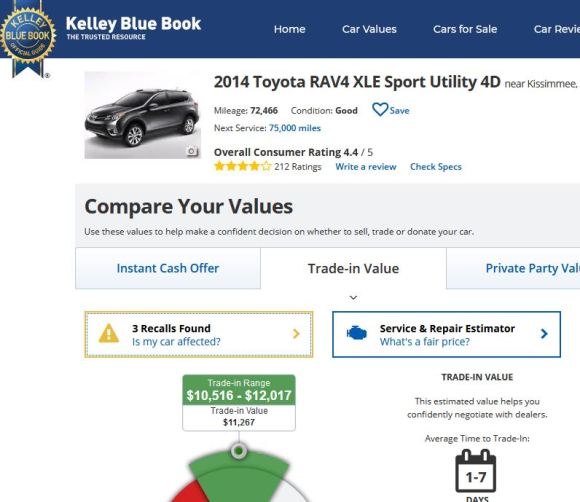
I first figured out the trade-in amount I could get for my current car, which Kelley Blue Book told me is probably between $10,500 and 12,000. My current car is a great car with plenty of room and things I find essential, like a CD player and cup holder that’s big enough for my Nalgene. I like the familiarity of it, so if I traded it in, I would strongly consider a Toyota RAV4 hybrid or EV to replace it. I priced out some used cars on CarMax, and found that hybrid RAV4 cars range from $20-28,000 from the years 2016-2018. The Toyota RAV4 EV was sadly discontinued in 2014, so that’s not really an option unless I get a used one which is older than my current car, which I don’t think I would want to do. I compared the options of LE, XLE, and Limited for RAV4, and it looks like LE is the most basic, cheapest, and desirable for me, even though I currently have an XLE. One of the bonus features my current car has is a sunroof, which is useless to me in Florida.

Estimated trade-in value after I entered information about my current car

CarMax conveniently only has one Toyota RAV4 Hybrid LE vehicle, which is 2018 and has 33,000 miles on it. The estimated price is $22,000 without additional costs like taxes, license and registration, and the consideration of how much higher monthly car insurance will cost. To simplify my cost-benefit analysis even further, I’m not going to consider additional costs or even insurance and maintenance costs, and I will instead strictly focus on cost of gas and emissions over the next five years.

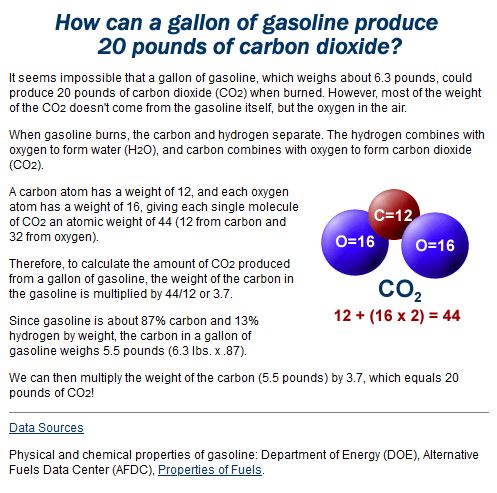
For all intents and purposes, let’s first assume that I will have my new(er) car for the next five years and that the costs of maintenance and insurance for that car are the same as they would have been for my previous car. I get $11,000 for the old car and the new car costs $23,000, so I trade in my car and pay $12,000 up front for the new one. I drive 15,000 miles per year, so after five years, I have driven 75,000 miles. My old car’s average mpg (miles per gallon) was 27.3, so I would have used about 2,750 gallons of gasoline over the course of five years. My new car’s average mpg is 32, so I use about 2,350 gallons, saving 400 gallons of gas. 400 gallons of gasoline produce 8,000 pounds of carbon dioxide, which equals about 3.6 metric tons.

How I calculated carbon dioxide emissions from gallons of gasoline

If the average cost of gasoline per gallon over the next five years is $2.50, then I will have saved $1,000 on gas. Subtracting that $1,000 from the $12,000 I paid to get the new car, I still would have invested more than $11,000 for a reduction of 3.6 metric tons of carbon dioxide emissions, which is a small amount in the grand scheme of things. Therefore, trading my current car in for a hybrid would honestly cost me a lot more than the environmental benefits are worth. If I invested that $11,000 in renewable energy projects or efforts to halt deforestation, it would probably be put to better use in terms of reducing greenhouse gas emissions.

As society shifts toward electrifying our vehicle infrastructure, I expect production of electric vehicles to sharply increase and prices to decrease over the next ten years if we do what it takes to avert climate catastrophe. Until then, I will continue to use public transportation as much as I can and probably drive my current car until I cannot anymore. By the time I need to get another car (if robust public transportation hasn’t advanced far enough yet), I hope that we will have broken free from the stranglehold of the fossil fuel industry and that my next vehicle will be powered by electricity produced by clean, renewable energy. A future of prosperity for the planet and for all people is possible, but we need to fight for it right now, harder than ever. Vote blue in November and may thee use naught new.

My favorite song on the album and my personal anthem.
Categories
Uncategorized

Week 16 and a half: Calculating carbon

The past week and a half was my busiest week and a half in quarantine so far. During the first few days, I was organizing for an Orlando climate action live stream that I participated in on Earth Day (Wednesday of last week), and then I watched a lot of the official live stream for Earth Day Live, which took place Wednesday through Friday. In addition to being Earth week, it was also volunteer appreciation week, so I participated in the activities that were hosted by the two organizations I volunteer with every day on social media. As if that weren’t enough to keep my occupied, I left Florida on Thursday to help my parents with vegetation monitoring work in the woods of South Carolina for the weekend, and I did not travel back home until Monday. I have just a few more days left in my four months of nothing new, so this will be my penultimate post.

Goals that I implemented:

  • Tool 1 Stop Shopping goal: no new things except food and gas/try to buy local if new
    • Update: Naught added to the fund.
  • Tool 2 Grow Some Food goal: plant beans in a pot
    • Update: I consumed another batch of beany babies.
  • Tool 3 Eat Local goal: track meatless days
    • Update: I was a vegetarian for four days this past week and a half. The rest of the time I had chicken or fish for dinner.
  • Tool 4 Buy Local goal: buy from local restaurants and no chains/fast food
    • Update: Naught added to the fund.
  • Tool 5 Turn Off The Lights goal: no phone until after breakfast and computer off by 9:30pm
    • Update: I gave up on a bedtime goal because I can’t fall asleep until 1 or 2am even when I go to bed hours earlier.
  • Tool 6 Consume Less Plastic goal: $5 fine for any disposable plastic utensils/straws/plates/cups
    • Update: I’m adding $15 to the fund for free food that I received that came in a Styrofoam container and on a plastic plate with plastic wrap.
  • Tool 10 Track Your Trash goals: look into composting
    • Update: My compost bin will need some more time before I can determine whether it is working or not.
  • Tool 10 Track Your Trash goal: turn off water in shower when not rinsing
    • Update: $2 added to the fund for taking longer showers.
  • Tool 11 Guzzle Less Gas goal: begin tracking gas/train/bike usage
    • Update: I biked once since getting back from South Carolina.
  • Tool 11 Guzzle Less Gas goal: calculate my carbon footprint and donate to offset fund!
    • Update: See my story below.
  • Continued tracking time.
    • Update: I’m hoping to start practicing piano every day and of course I continue to catch up on my webinars and live-streamed concerts and Shakespeare.
My little watch band broke, so I improvised.
Posing like one of my favorite artists.

Goals that I still need to implement:

  • Tool 11 Guzzle Less Gas goals: conduct cost-benefit analysis of trading in my RAV4 for a hybrid or electric car
  • Additional goals: look into new jobs, work on my college thesis for publishing
  • Nothing New Fund for the past week: $17; Final total: $211

Goals that I will pursue after quarantine ends:

  • Tool 3 Eat Local goals: look into IDEAS for Us farmers market
  • Tool 6 Consume Less Plastic goal: only buy products with recyclable packaging for a period of time
  • Tool 10 Track Your Trash goals: look into visiting a landfill, do the waste/water audit I created in college and carry trash

With what I added to my naught new fund this past week and a half, my total fund reached $211. During the past four months, I contributed to my naught new fund for various reasons that align with my goals, including for buying new things, for buying from chain restaurants, for bad technology habits, for the use of “disposable” plastic, and for using more water than I need. The purpose of fining myself for those things was for me to internalize the cost of my actions on the environment where there was not a cost factored into the price of an item. Now that my four months is coming to a close, I calculated my carbon footprint on various websites to see how much it would cost to offset what I was responsible for and compared that number to the amount of money in my fund that I would use to offset my carbon footprint.

I ended up using three carbon footprint calculators online: the EPA’s calculator, the one on carbonfootprint.com which is featured in Kristin Skarie’s book, A Year of Nothing New, and the one on TerraPass. Your carbon footprint is basically the addition of everything that you do that produces greenhouse gases through the use of fossil fuels to generate energy, including how much fuel you use during transportation and in your home in the form of electricity. The final number is either pounds or metric tons of carbon dioxide equivalent (CO2e), which means that all other greenhouse gases were calculated in terms of carbon dioxide. Different websites give different numbers, but the average carbon footprint of a person in the United States is 20 metric tons per year and a much lower number for the global average carbon footprint. Multiply that global average by 7.8 billion people on Earth and you get tens of gigatons (1 gigaton = 1 billion metric tons) of carbon dioxide going into the atmosphere every year. Such big numbers are difficult to fathom.

Luckily I had collected my mileage and train usage data for the past four months, so it was very easy to enter those numbers to calculate my carbon footprint. The websites all varied, but I can safely say that my carbon footprint for the past four months was between 2 and 3 metric tons. If I multiply that by 3 to get my average for the year, I would have emitted less than half of the U.S. average. Granted that half of my four months were spent in quarantine not using my car, my normal footprint would have been closer to the average footprint.

My four month carbon footprint in metric tons of CO2e according to carbonfootprint.com
My four month carbon footprint in pounds of CO2e according to TerraPass

According to TerraPass, carbon offsets for my four month footprint would cost about $30 at the rate of $4.99 per 1,000 pounds of CO2e. That’s a lot less money than the $211 in my naught new fund. In case you are not familiar with what carbon offsets are, let me explain. In the society that we live in and the current way we produce energy (mostly from fossil fuels), there are many ways we can reduce our carbon footprint, but there is a point at which it is very difficult to go any lower. When we aren’t quarantined as a result of a global pandemic, most people must commute to work and use electricity. Something that individuals or businesses can do to help reduce their impact, however, is to purchase carbon offsets, which fund projects like renewable energy and methane capture, which replace fossil fuels and therefore help to cancel out your carbon emissions by eliminating them elsewhere. Disclaimer: Carbon offsets are not the solution to climate change on a larger scale because the carbon is still being emitted in the first place. However, I believe it is still a good action that you can take as an individual to help mitigate your impact.

There are multiple organizations that offer carbon offsets for purchase, and it is important to make sure that they aren’t scams. I think it is safest to go with the most well-known organizations, which can easily be found with a quick Google search for carbon offsets. The websites explain what projects your money will be going to so you know what you are funding. I have personally donated to The Carbon Fund in the past, and I went with TerraPass this time.

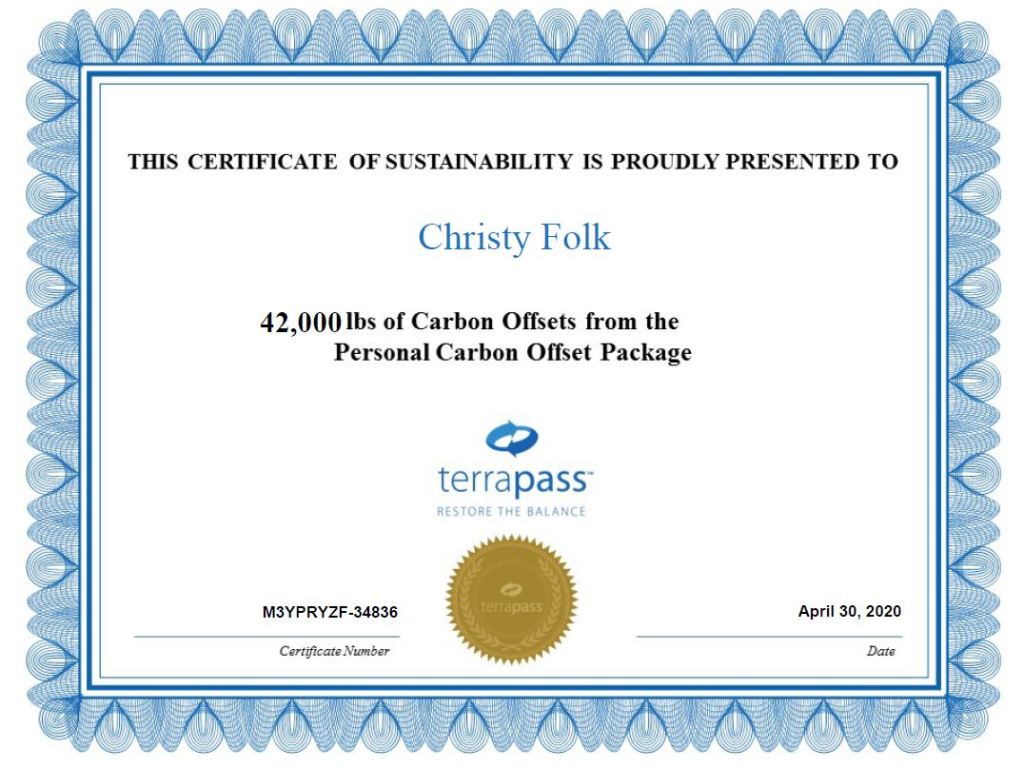
I purchased 42,000 pounds CO2e of personal carbon offsets from TerraPass and I spent $209.58, which is the closest I could get to my fund of $211. It is nice to know that I’m making up for the past couple of years of my carbon emissions while investing in the future of renewable energy.

They got the date wrong, but whatever.

Both the coronavirus pandemic and climate change are changing our world, so we need to use this opportunity to make it a cleaner and more just place for everyone. Calculate your carbon footprint, reduce it as much as you can, buy some carbon offsets, and may thee use naught new.
Not only could it, but it has and it will, which I think is a source of hope.
Categories
Uncategorized

Week 15: Starting to get stir-crazy

I kept quite busy this past week, but I must admit, I am starting to feel restless. I have a lot planned for the next few weeks as well, including a digital climate strike on Earth Day (Wednesday). As I am approaching the last few weeks of nothing new, there are just a few more goals that I plan to implement while in quarantine.

Goals that I implemented:

  • Tool 1 Stop Shopping goal: no new things except food and gas/try to buy local if new
    • Update: Naught added to the fund.
  • Tool 2 Grow Some Food goal: plant beans in a pot
    • Update: Beany babies are sprawling.
  • Tool 3 Eat Local goal: track meatless days
    • Update: I was a vegetarian for four days this past week.
  • Tool 4 Buy Local goal: buy from local restaurants and no chains/fast food
    • Update: Naught added to the fund.
  • Tool 5 Turn Off The Lights goal: no phone until after breakfast and computer off by 9:30pm
    • Update: Quarantine changed my sleep schedule, so no more computer fines.
  • Tool 6 Consume Less Plastic goal: $5 fine for any disposable plastic utensils/straws/plates/cups
    • Update: Naught added to the fund.
  • Tool 10 Track Your Trash goals: look into composting
    • Update: I made a compost bin out of a five-gallon bucket.
  • Tool 11 Guzzle Less Gas goal: begin tracking gas/train/bike usage
    • Update: I didn’t drive at all and I didn’t bike as much this week.
  • Continued tracking time.
    • Update: I watched more webinars and live-streams and practiced piano.
Thanks to indeterminate growth, my beany babies will have more beans soon.

Goals that I still need to implement:

  • Tool 11 Guzzle Less Gas goals: conduct cost-benefit analysis of trading in my RAV4 for a hybrid or electric car, calculate my carbon footprint, ultimately donate to offset fund at the end of the four months
  • Additional goals: find and apply to summer and post-summer jobs, work on my college thesis for publishing
  • Nothing New Fund for the past week: Naught!; Current total: $194

Goals that I will pursue after quarantine ends:

  • Tool 3 Eat Local goals: look into IDEAS for Us farmers market
  • Tool 6 Consume Less Plastic goal: only buy products with recyclable packaging for a period of time
  • Tool 10 Track Your Trash goals: look into visiting a landfill, do the waste/water audit I created in college and carry trash

My main goal this week was building my compost bin. I researched various options for do-it-yourself compost bins online, and I settled on a simple one in a five-gallon bucket, because we already had those on hand. I drilled some holes in the sides and top (there were already holes in the bottom), added sticks for drainage at the bottom, and then I added leaves and food waste on top. It was super easy and it will help reduce how much waste I send to the landfill.

As for my remaining goals, I separated the ones that I can’t reasonably complete until the quarantine is over, so I’ll put those on hold for now. The last couple of goals that I will complete, which are doing a personal cost-benefit analysis of replacing my car with an EV and calculating my carbon footprint, require some research and math, so I’ll be working on gathering information for those goals during the next few weeks.

I don’t really have any stories related to sustainability this week, so I’ll instead share a personal story. I watched quite a few live-streamed concerts this past week, and they reminded me of the importance of optimism and imagination. The arts, especially music, are vital to society as a way to express cultural values and enrich our lives. In this time of uncertainty and economic struggle on both the micro and macro scales, musicians and actors have stepped up to support society emotionally by sharing music and theatre in an unprecedented way online. I don’t know about you, but watching the news only serves to increase my anxiety, so I avoid it when I can. Instead, I am taking in Shakespeare plays, at-home concerts, and theatre pieces that are both cheering me up and inspiring my own creativity in the form of making music and writing parodies. Although it is difficult even in normal circumstances, adopting a positive attitude and seeking the good won’t just make you a happier person, but it will also open your eyes to opportunities that you might not have seen otherwise. I have experienced various emotions over the past week, including apathy, frustration, peace, joy, hope, and uncertainty. But amidst all of those emotions, I gave myself a piece of advice which I would also like to share with you: remember what it was like to be a child and stop taking the way the world works for granted. When quarantine ends (which it will) and we return to a society without social distancing, we get to decide what wasn’t working before that needs to change. Be irrationally optimistic and may thee use naught new.
We are certainly living in interesting times.

Design a site like this with WordPress.com
Get started