I have now completed five weeks of nothing new, inspired by a book called A Year of Nothing New by my friend, Kristin Skarie. Many of the goals that I pursued these past five weeks were continuations of the goals that I pursued over the first four months of 2020, which include the following:
- Bought naught new except for food and gas (and one or two essentials like toiletries)
- Did not eat at chains or fast food restaurants
- Turned off the computer by 10pm to develop better sleep habits
- Avoided disposable plastic in general and bought food in recyclable containers when possible
- Continued monitoring my compost bin, a long-term project
- Tracked transportation, including taking the train
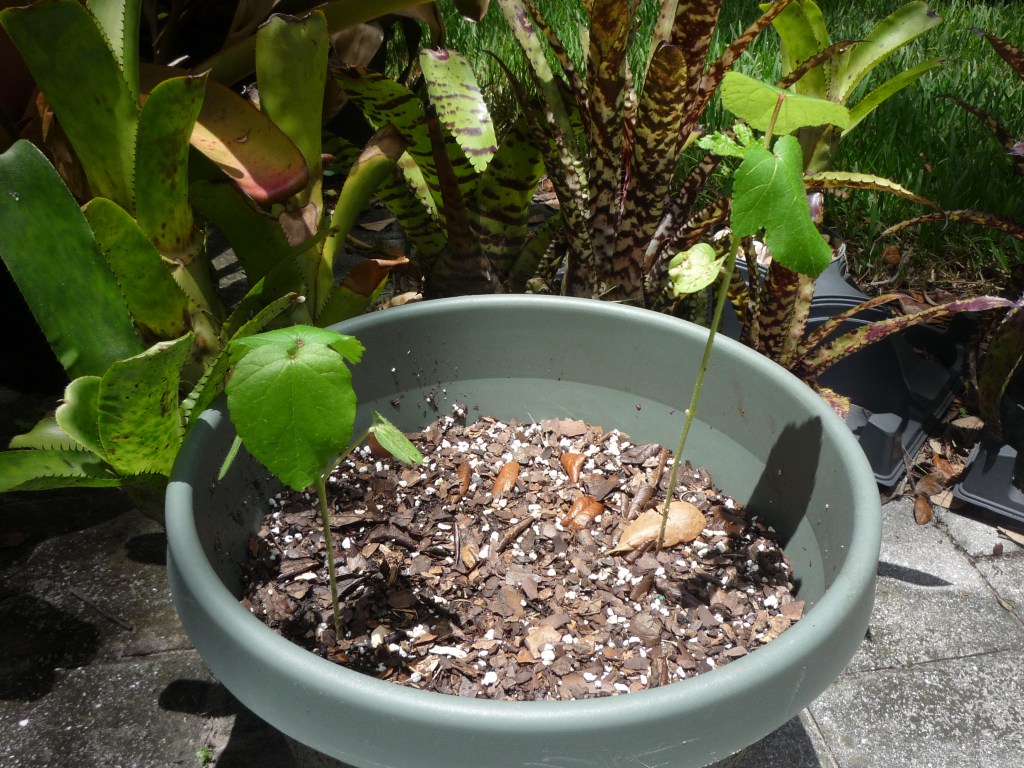
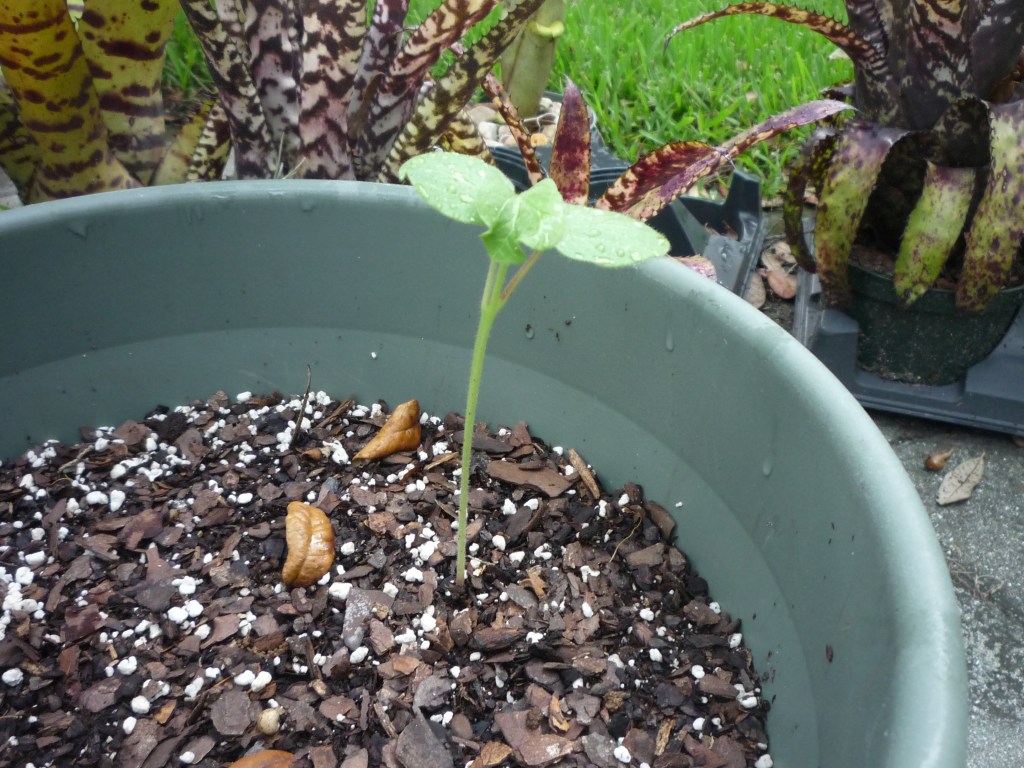
The two new goals that I added were growing okra and becoming a pescatarian, both of which I have had success with so far and hope to continue. My additional goals, which make up the bulk of my long-term to-do list, still include climate action, exploring new jobs, and working on my college thesis for publishing.
The conscious choices that I have made to stay accountable to my goals were all in the effort to live more sustainably. However, upon reflection of how I have spent most of my time, I could argue that the unconscious choices that I made as a result of living out my values are perhaps the most sustainable choices that I ended up making.
I came out of quarantine and returned to work about eight weeks ago, starting my position as a STEM summer camp instructor. I have taught children from first to sixth grade (next week I’ll be teaching seventh to ninth grade for the first time) not only about science, technology, engineering, and math, but how to collaborate, how to take responsibility for their actions, how to be kind and respectful, and above all, how to be critical thinkers. I think back to my days in middle school and realize how many of the things that I learned back then have become driving forces in my life. In this way, there is no way to know my long-term impact on my campers’ lives, but I do know from my own experience that what children learn, or in my current case, what I teach them, can influence what paths they take and change how they view the world in a very sustainable way.
With that being said, here are some more quotes from the children with whom I have interacted during the past two weeks, arranged in order of increasing age.
“The megalodon and the dino circus hit the ship when I was trying to clean the bathroom.” -kindergartner
“You look pretty hard because of the bones in you. I only have blood.” -kindergartner while poking my arm
“Your soul is technically a ghost.” -first grader
“Excuse me, I know a shortcut to Mars. You take a sharp left turn on the moon.” -first grader
“I think we’re as high as Mount Everest!” -first grader looking out the window of the second floor of a building in Florida
“Let’s play Cops and Onions. Do you have to eat a bunch of onions that are spicy?” -second grader
“It smells like beef sticks in here.” -second grader
“Sometimes news people can be crazy just to find the scoop.” -third grader
“This water tastes like dust bunnies.” -third grader
“They aren’t gonna hurt you. There’s only about three or ten species that can.” -third grader talking about spiders
“Just tie it like you’re tying your shoes.” “You know I don’t have any shoes with laces.” -third graders
“Hand sanitizer smells like pickles dipped in spoiled milk covered in pepper dunked in chopped liver and lamb legs.” -third graders
“Kindergarten teachers are the smartest teachers in the world.” -third grader
“Instead of dead, let’s say pass away.” “Or eliminated.” -third graders
“Safe is very fun, because if you weren’t safe, you’d probably be dead right now.” -Same third grader who suggested we say pass away instead of dead
“Cats don’t need legs. They’re just sleeping all the time.” -third grader
“Pick up already started, right?” -fourth grader an hour after pick up started
“Remember, the fun never ends.” -fourth grader
Inspire sustainable changes and may thee use naught new.


 Naught New