I was a runner for the first time this summer this past week, which means that I got to hang out with multiple classes, from preschool to sixth grade. However, I’ll save the funny quotes from this week for my next blog post, since I have a sustainability story to share after my updates.
- Goal 1: Naught new except food and gas
- Yes
- Goal 2: Grow okra
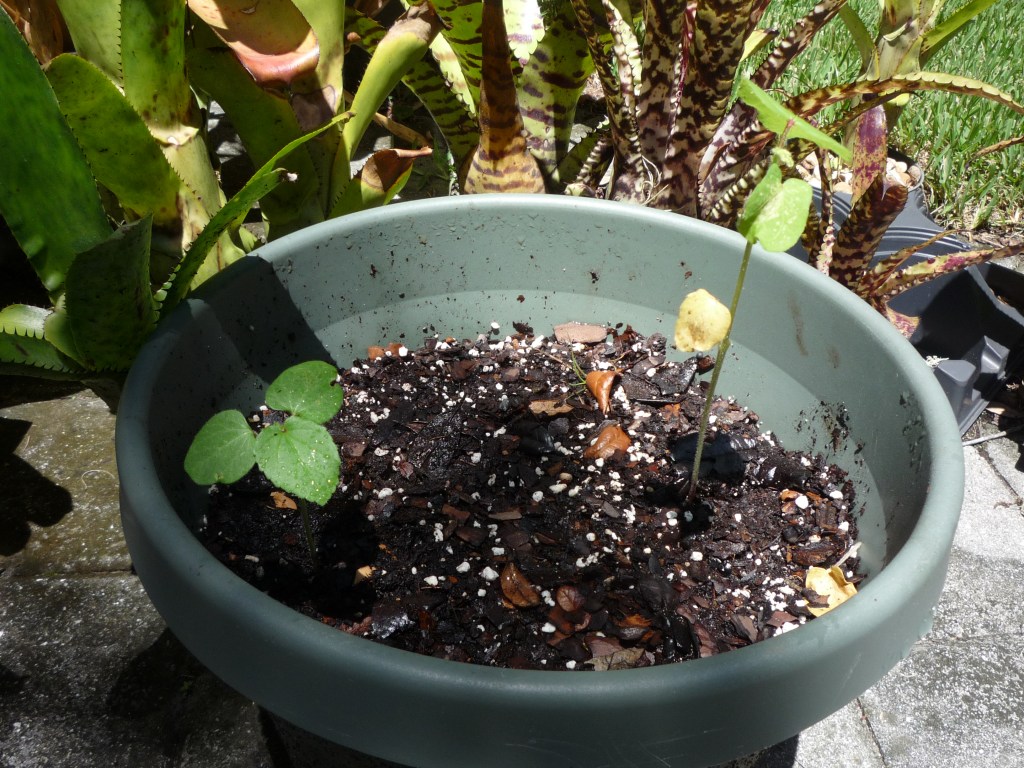
- My second seed sprouted and I noticed the first sprout’s leaves were yellowing, and I’m guessing that is because the soil is depleted of nutrients. I gave them some of the more processed compost chunks from my bucket and also some plant food.
- Goal 3: Eat a pescatarian diet
- Seafood 2/7 days, vegetarian 5/7 days
- Goal 4: No chains/fast food restaurants
- Yes
- Goal 5: Computer off by 10pm
- I’m not really keeping track, but I usually try to get off by 10pm.
- Goal 6: Avoid disposable plastic
- Yes, still recycling most of what my food comes in and collecting organic matter to put either in my compost bin or just in the bushes. It has been almost two weeks and I have not taken out the trash because my tall kitchen trash bag hasn’t filled up yet.
- Goal 7: Continue to attempt to compost
- I added a compostable cornstarch envelope that carried a t-shirt I ordered prior to my five weeks of naught new.
- Goal 8: Track taking the train
- Because of my schedule this week, I drove three times and took the train twice.
- Additional goals: work on my college thesis for publishing, look into new jobs, climate action

My experience so far of transitioning to a pescatarian diet has been relatively easy. I haven’t really wanted to eat chicken, and I’m fine with getting my protein from other sources, like broccoli and chickpeas. A recipe that I made this past week was chana masala, which I have often made since studying abroad in India and Nepal in college. On my study abroad, I lived with a Hindu host family in rural Sikkim, and all of my meals in the village were vegetarian, consisting mostly of rice and lentils, or dal bhat. It was interesting, though, that my host family was not vegan, as they had a few cows, which gave them milk and butter.
An unexpected side effect of committing to a pescatarian diet, which was something I just felt like doing one day, is my desire to start transitioning to vegan equivalents. In India, I didn’t mind drinking milk from the family cow. In the United States, however, factory farming dominates, and chances are that the meat and dairy sold in the average grocery store come from animals that are not raised in the best or most sustainable way. For these reasons and to reduce my plastic packaging, I have become accustomed to drinking orange juice for breakfast (in a cardboard container) and tap water the rest of the time. No soda, no milk, no coffee, no bottle beverages. I don’t go anywhere without my Nalgene water bottle, which has served me well the past six years. I have also simplified my meals, eating mostly whole wheat and whole grain, vegetables, fruit, nuts, and some seafood.
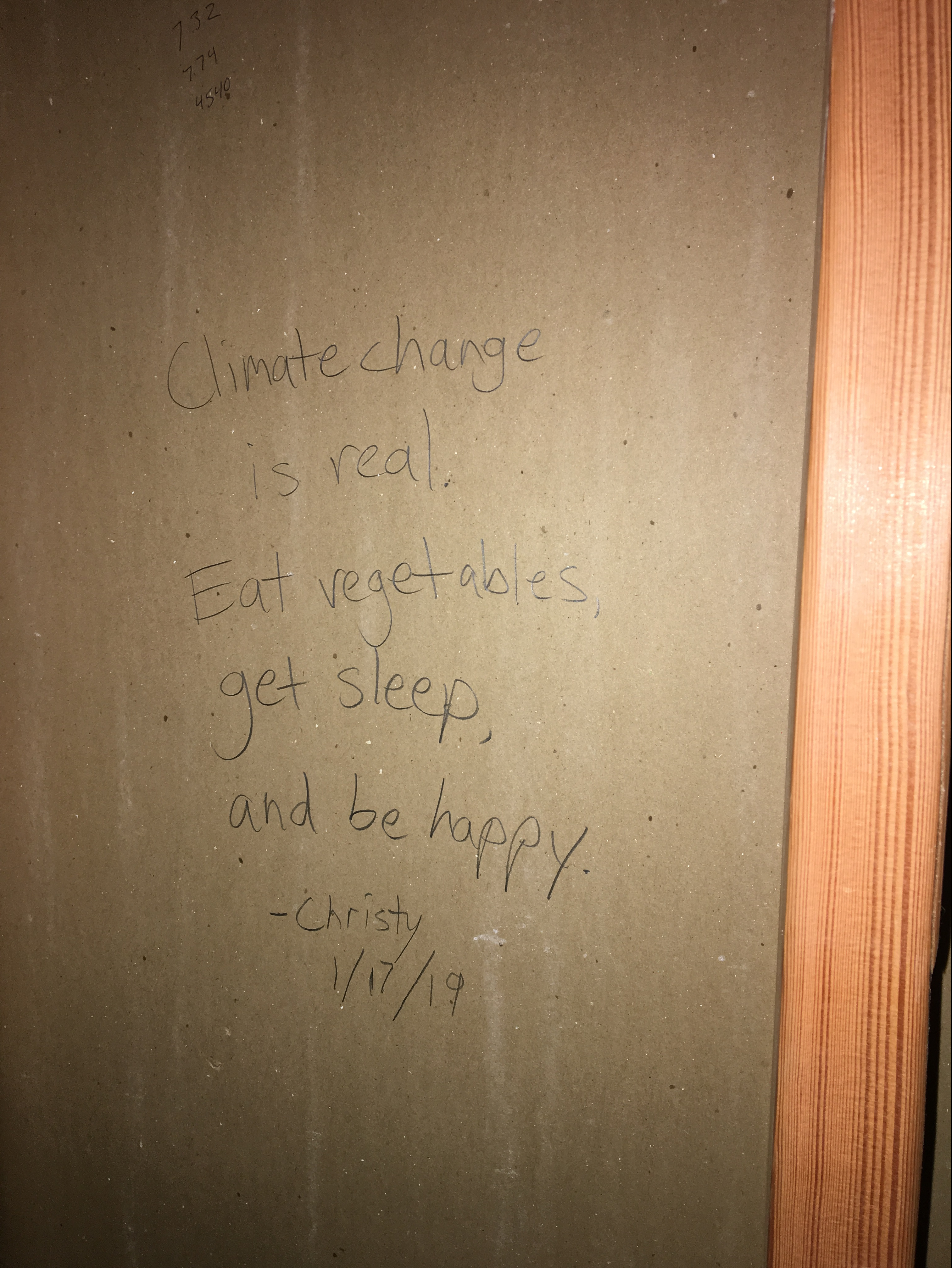
I lived in seven different states during my service term as a Field Team Leader in AmeriCorps NCCC, and during that time, we often worked on very physically and emotionally demanding service projects. One of my personal mottoes to keep me going was, “Eat vegetables, get sleep, and be happy.”
Living in crazy times can often feel overwhelming, but it helps to recall that we are all humans, and taking care of our basic needs should come first. Once we do that, in a way that aligns with our values, we can consider how we are going to save the world. Simplify and may thee use naught new.
 Naught New